Shallow BDC (<500 K): -1.0 mo/decade Deep BDC Branch: Unchanged (1979-2009) Tracer Diagnostics: N2O-O3 Slope Ref Lineage: FU Berlin SHARP
AtmosChemPhys Observatory Photochemistry · Aerosol Forcing · Air Quality Modeling

Stratospheric Transport & FU Berlin SHARP Lineage

Brewer-Dobson Circulation Transit Times & Stratospheric Tracers
Stratospheric Transport Synthesis
In-situ N2O-O3 tracer slopes, Canadian midlatitude ozone records, and residual circulation trajectories demonstrate that the shallow Brewer-Dobson branch below 500 K accelerated by approximately 1 month per decade between 1979 and 2009, especially after 2000, while deep-branch overturning transit times remained invariant.
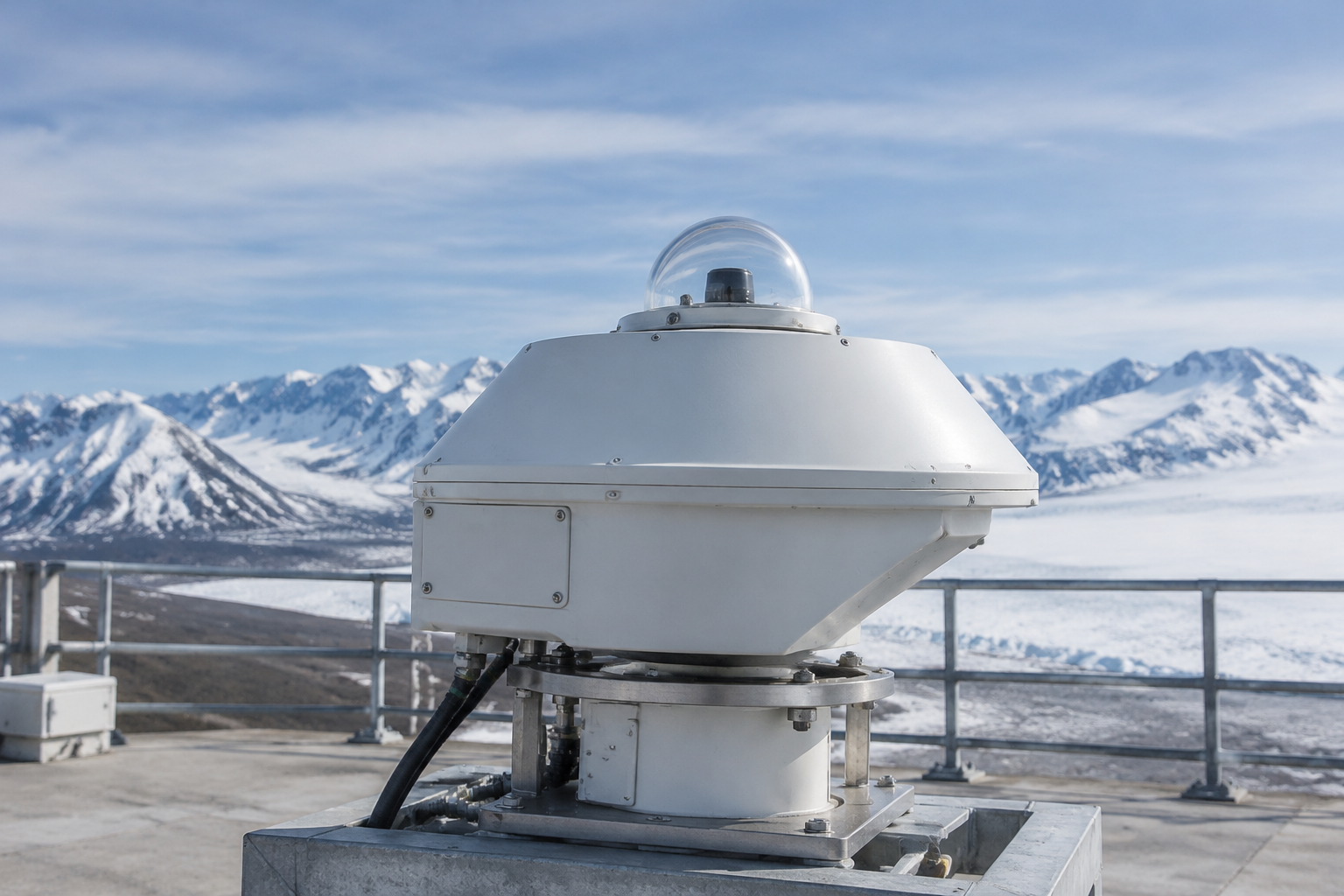
Automated UV Brewer spectrophotometer inside a weatherproof quartz dome at a mountain atmospheric station
Plate 04: Ground-based Brewer UV spectrophotometer monitoring total column ozone above high-latitude mountain ridges to constrain stratospheric transport variability.

1. Shallow vs Deep Residual Circulation Structural Shift

Long-lived trace gases (N2O, SF6, CO2) and ozonesondes resolve vertical and meridional transport pathways from the tropical tropopause layer into the extratropical lowermost stratosphere (LMS). As demonstrated by Bonisch et al. (2011) and archived in FU Berlin SHARP publications, increased tropical upwelling after 2000 cannot be treated as a uniform speedup of the entire stratospheric overturning cell.

Interactive Brewer-Dobson Branch Comparator

Shallow Residual Branch (<500 K potential temperature): Post-2000 tropical upwelling intensification accelerated lower-stratospheric transport into the extratropical LMS, shortening mean transit time by ~1.0 month per decade (1979-2009) and shifting N2O-O3 correlation slopes.
Circulation Branch Isentropic Domain 1979-2009 Transit Trend Key Observational Evidence
Shallow Residual Branch <500 K potential temperature (LMS) -1.0 month / decade Shifted N2O-O3 slopes, N2O PDF changes, midlatitude ozonesondes (1993-2003 speedup).
Deep Overturning Branch >500 K middle-upper stratosphere No significant trend Balloon SF6/CO2 mean age-of-air measurements remain steady over 30-year span.
Brewer-Dobson shallow (<500 K) versus deep (>500 K) residual circulation pathways from tropics to extratropical lowermost stratosphere Brewer-Dobson Residual Circulation: Shallow (<500 K) vs Deep Branch 500 K Isentrope Tropopause (~380 K) Tropics (0-20 deg) Deep Branch (>500 K): Trend Invariant Shallow Branch (<500 K LMS): -1 mo/decade Extratropical LMS
Figure 5: Structural decoupling in the Brewer-Dobson circulation showing post-2000 shallow lower-stratospheric acceleration below 500 K.

Historical Citation Archive

Bonisch et al. (2011): Structural changes in the Brewer-Dobson circulation after 2000

Legacy Path: /11/3937/2011/acp-11-3937-2011.pdf · DOI: 10.5194/acp-11-3937-2011 · Cited by FU Berlin SHARP

Combined residual circulation transit times with Canadian midlatitude ozone profiles, in-situ N2O probability distributions, and N2O-O3 correlation slopes to show that tropical upwelling intensification after 2000 accelerated shallow-branch transport below 500 K (-1 month/decade over 1979-2009) without altering the deep overturning branch. Canonical DOI: https://doi.org/10.5194/acp-11-3937-2011.